
Research
My research focuses on developing and applying computational methods at the intersection of astrophysics, cosmology, and machine learning. The work spans foundation models for scientific applications, advanced ML techniques for astronomical data analysis, cosmic structure investigation, and statistical inference methods.
Disclaimer: This section is automatically updated by Reasoning Language Models. Google Gemini is utilized to periodically go over my recent publications, talks and activities to update the content. While the information is monitored, at times incorrect information may appear.
Foundation Models
Foundation Models (FMs) are transforming scientific research, especially in astronomy and cosmology. Key advancements include multi-modal FMs tailored for complex cosmological simulation data and specialized Large Language Models (LLMs) to interpret scientific language like spectroscopy. AstroMLab projects demonstrate benchmark-topping astronomy Q&A performance, achieving state-of-the-art capabilities with both large (70B) and efficient (8B) domain-specialized models. These FMs, acting as intelligent assistants (e.g., InferA), facilitate data exploration, reasoning, and knowledge retrieval. Crucially, methodologies are being established to rigorously evaluate these AI models as scientific research assistants, ensuring reliability and effectiveness in accelerating discovery.
Learn more about this research →
Learn more about this research →

From: Multi-modal Foundation Model for Cosmological Simulation Data
7 Publications 1 Figures Available
Machine Learning for Science
Machine learning (ML) is rapidly advancing scientific research, particularly in astronomy and cosmology, by tackling complex data analysis and generation challenges. Key methods include deep learning, generative adversarial networks (GANs) for anomaly detection and synthetic data creation (e.g., cosmic web, spectra), and probabilistic modeling for high-dimensional or sparse scientific datasets. Applications span galaxy morphology exploration, strong gravitational lens detection, redshift estimation, and point spread function deconvolution. A crucial emphasis is placed on enhancing model interpretability and quantifying uncertainty, often through statistically disentangled latent spaces. These advancements foster new discoveries, improve data processing from sparse sensors, and enable robust physical benchmarking of AI-generated phenomena.
Learn more about this research →
Learn more about this research →
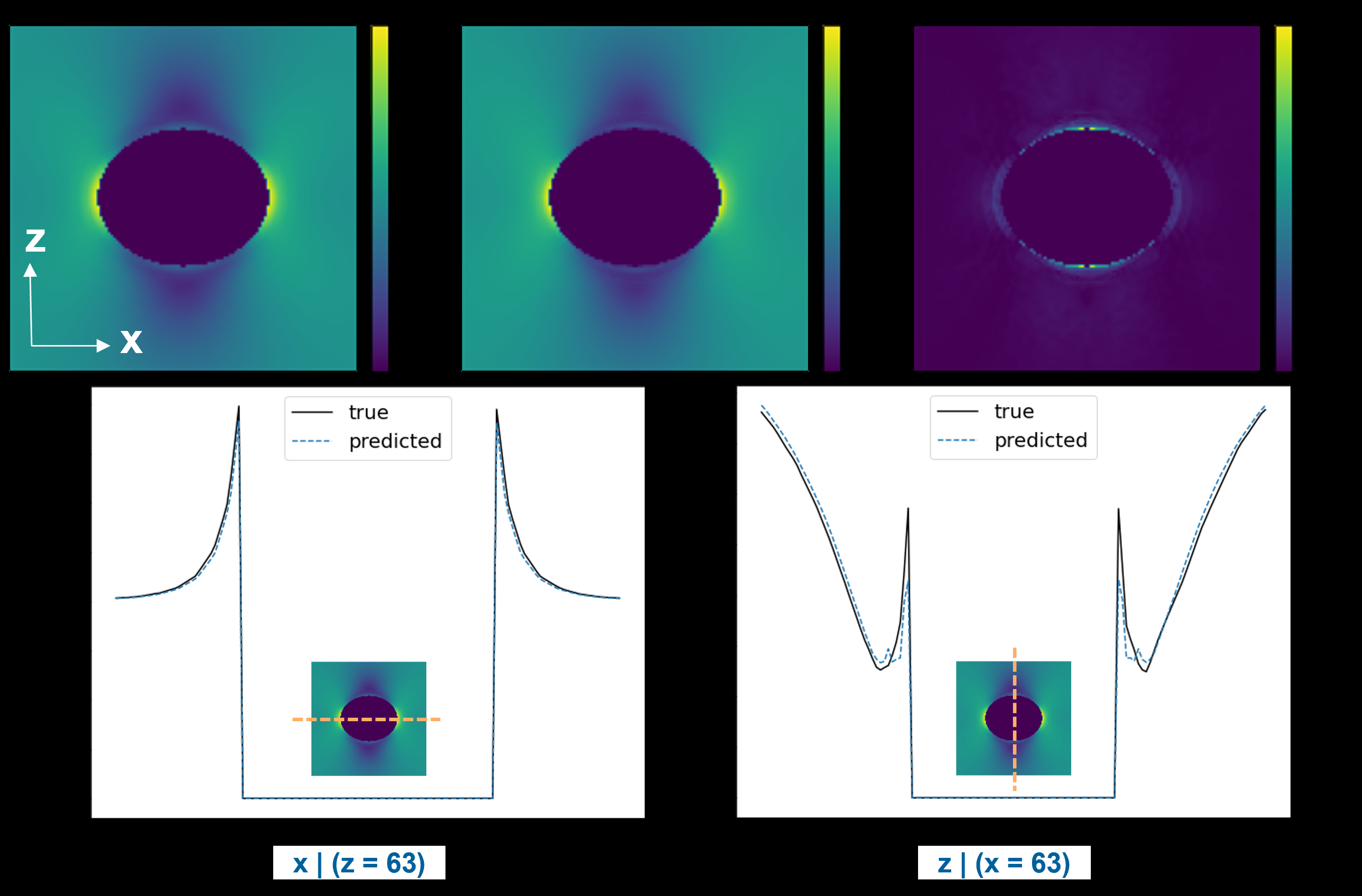
From: Application of probabilistic modeling and automated machine learning framework for high-dimensional stress field
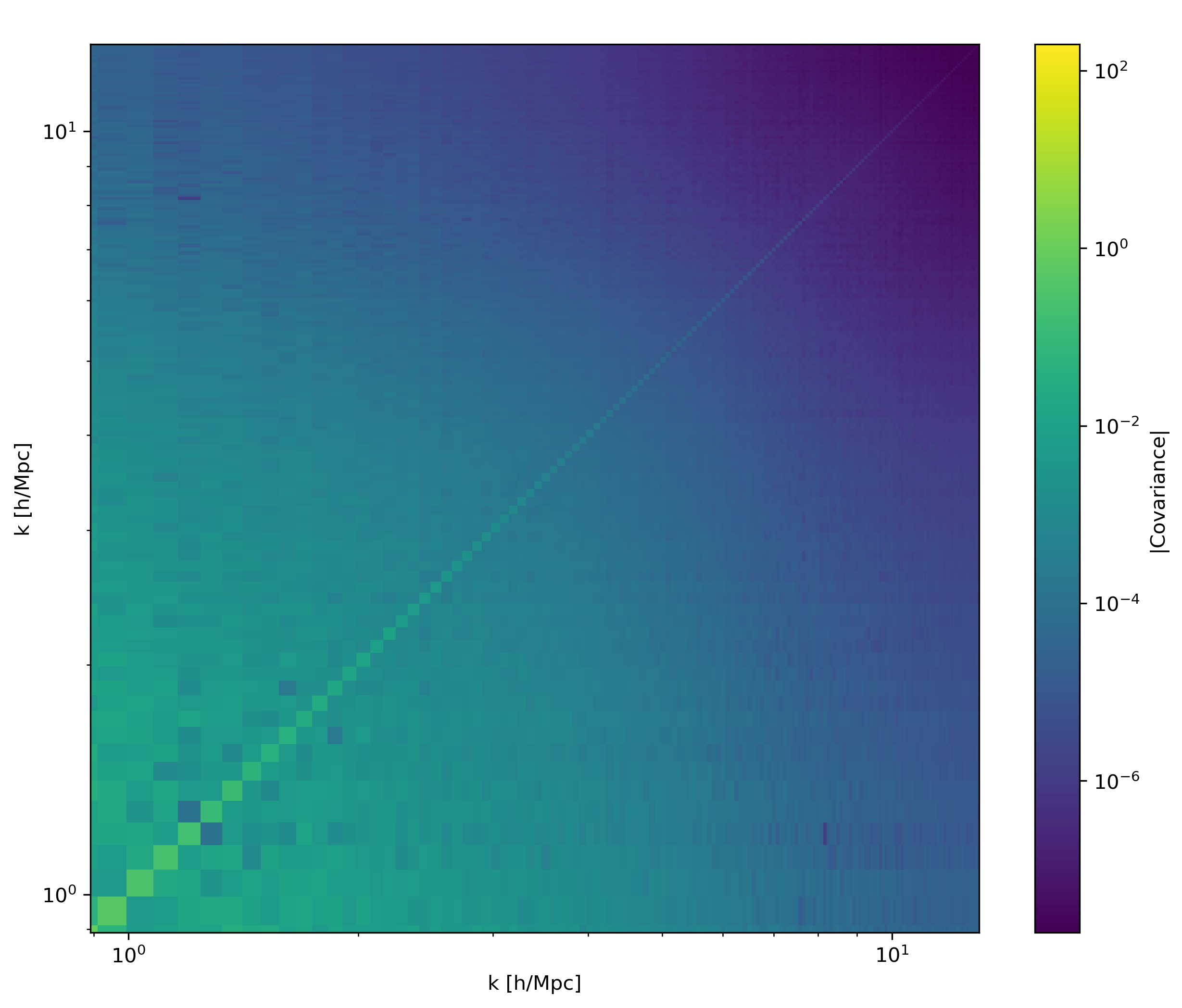
From: Benchmarking AI-evolved cosmological structure formation
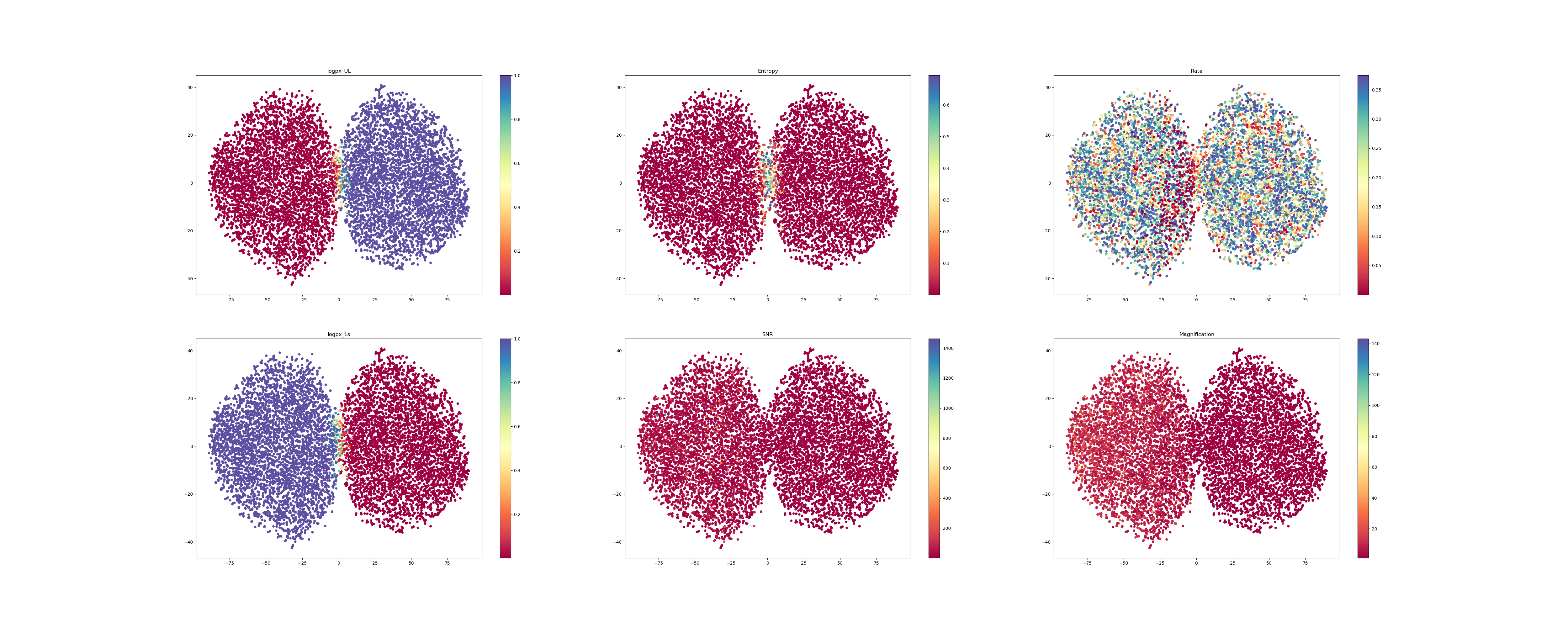
From: A Modular Deep Learning Pipeline for Galaxy-Scale Strong Gravitational Lens Detection and Modeling
16 Publications 10 Figures Available
Dark Matter & Cosmology
Research in Dark Matter and Cosmology employs diverse methods to understand cosmic structure and evolution. Weak lensing from large surveys constrains modified gravity theories and cosmic acceleration. Cosmological simulations, utilizing multistream views and AI-guided generative models, reveal the intricate topology and caustic designs of the dark matter web and its halos. Observational campaigns, ranging from cluster surveys and optimized weak lensing to stellar population studies tracing galactic halos, trace these structures and validate models. These combined efforts, including future missions, significantly refine galaxy formation theories and our overall understanding of the universe.
Learn more about this research →
Learn more about this research →
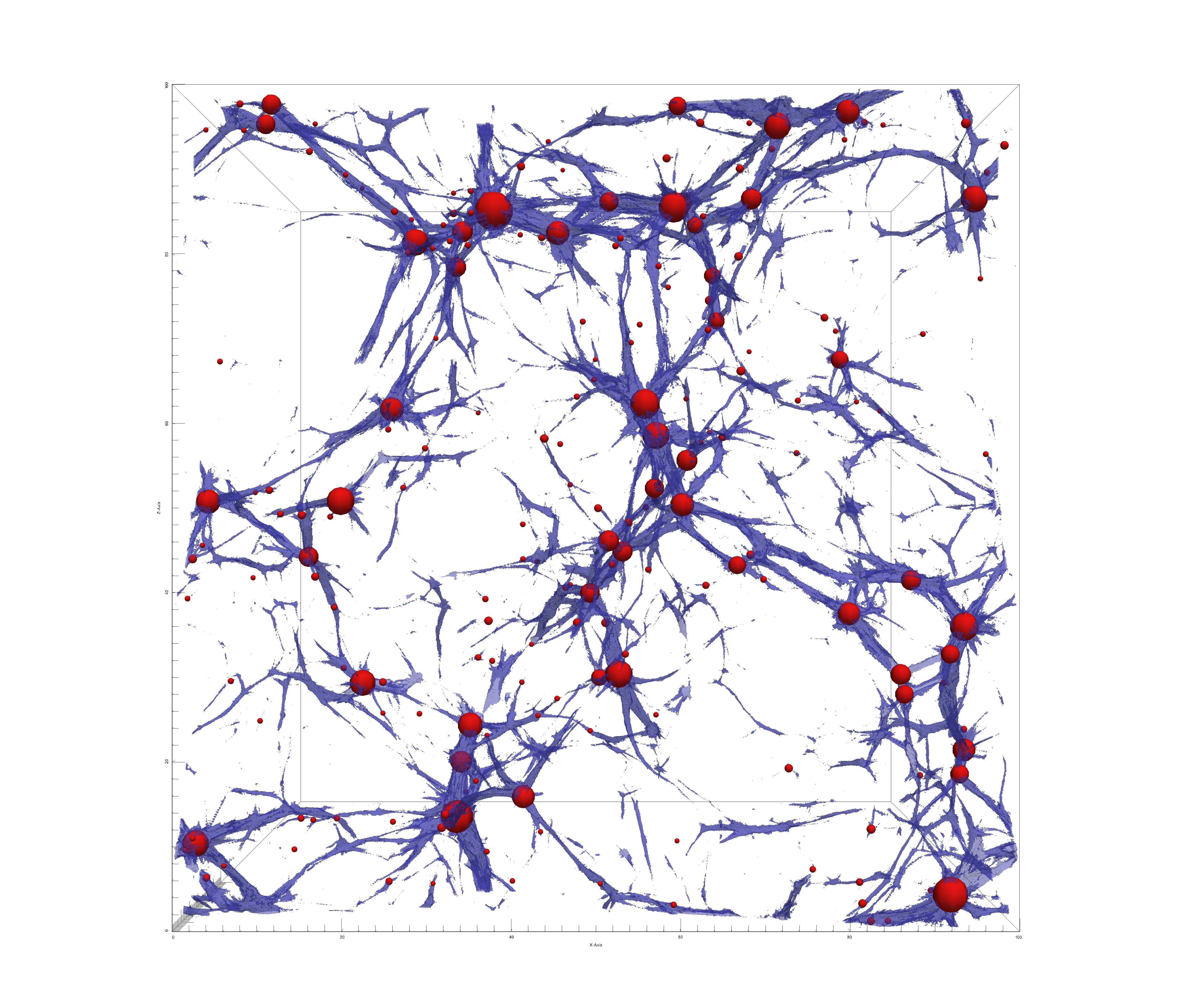
From: Multi-stream portrait of the Cosmic web
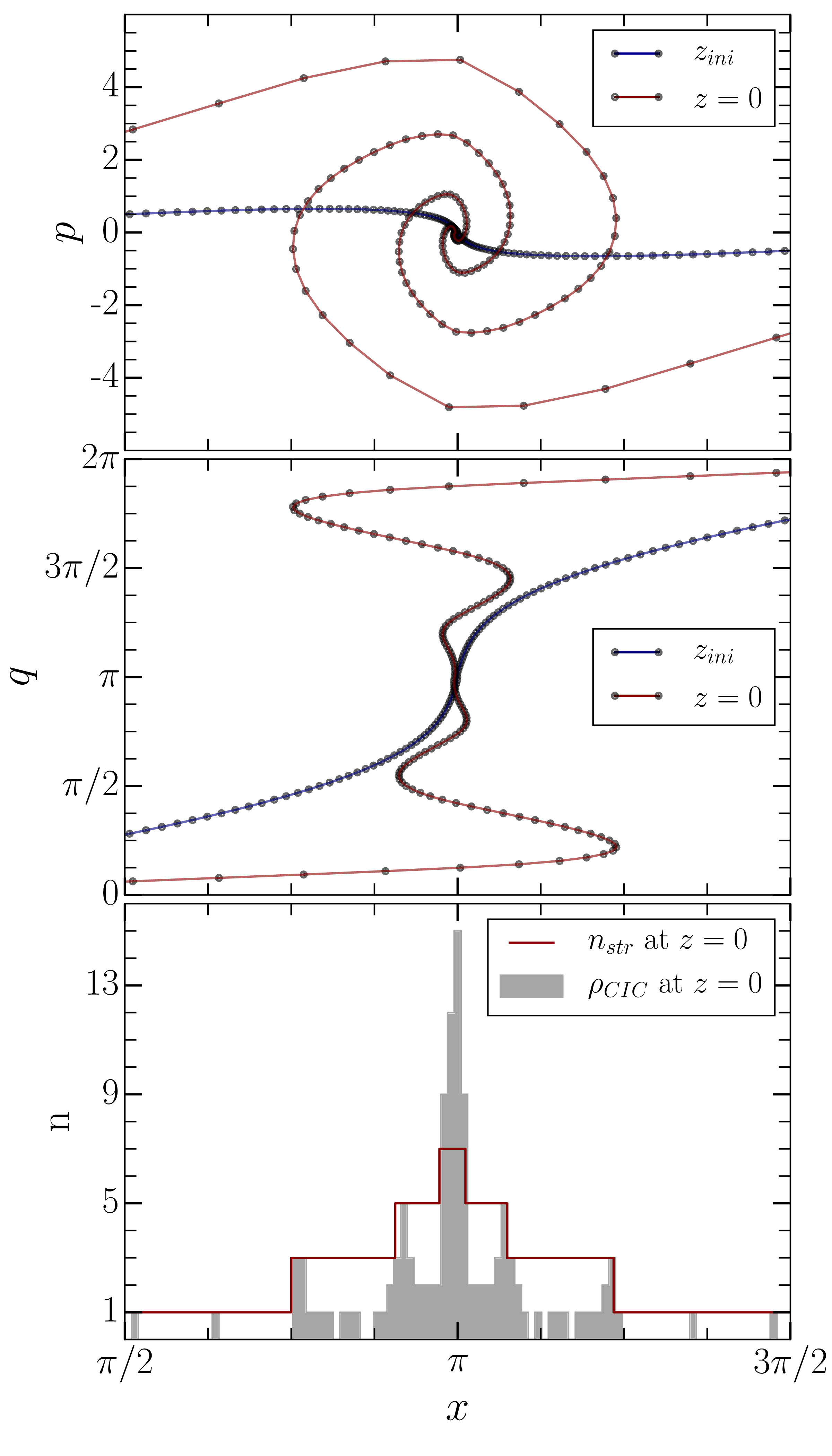
From: Topology and geometry of the dark matter web: a multistream view
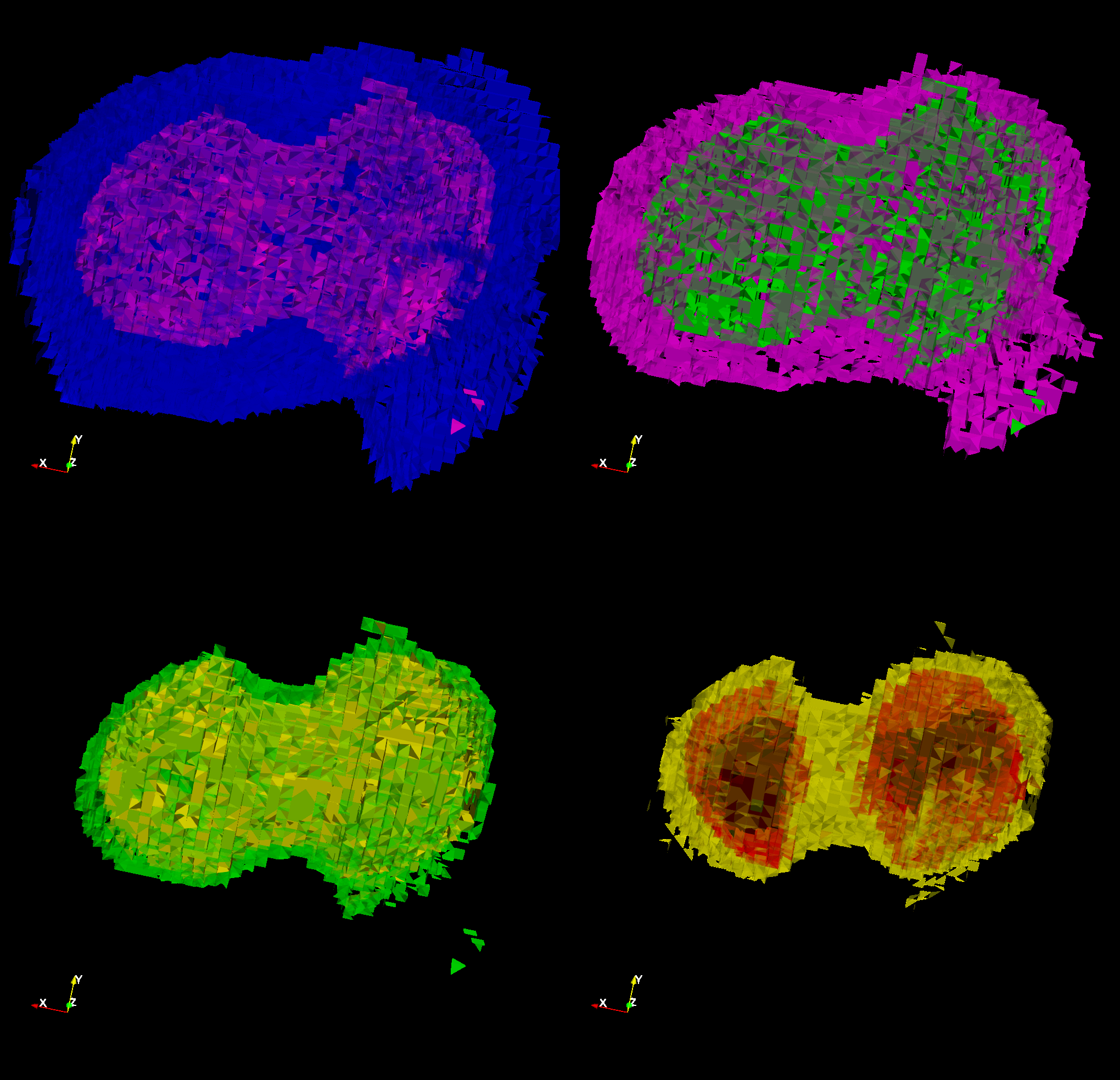
From: The Caustic Design of the Dark Matter Web
13 Publications 6 Figures Available
Emulation & Inference
Emulation and inference research leverages advanced surrogate models to accelerate complex scientific simulations and enable robust parameter discovery. Key methods primarily involve neural networks, including probabilistic and differentiable variants, and Gaussian processes, often constructing reduced-order models that map high-dimensional inputs to predictions, sometimes within latent spaces. Applications span cosmology, where emulators facilitate efficient inference of subgrid physics, large scale structure, and modified gravity parameters. These techniques are also critical in fluid dynamics, providing fast surrogates for intricate flow phenomena. The focus is on overcoming computational bottlenecks, quantifying uncertainties, and facilitating comprehensive exploration of model spaces for scientific understanding.
Learn more about this research →
Learn more about this research →
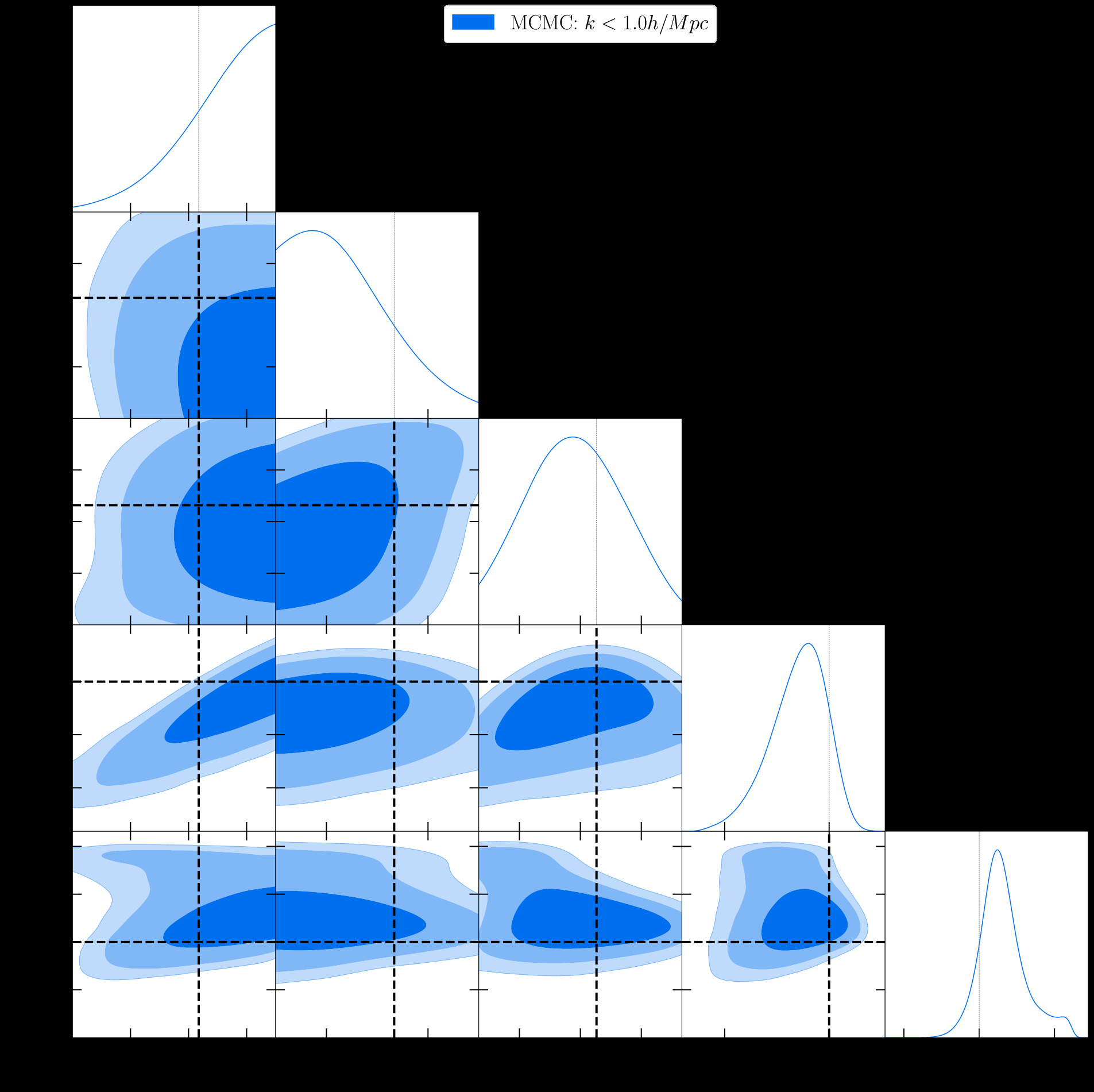
From: Matter Power Spectrum Emulator for f(R) Modified Gravity Cosmologies
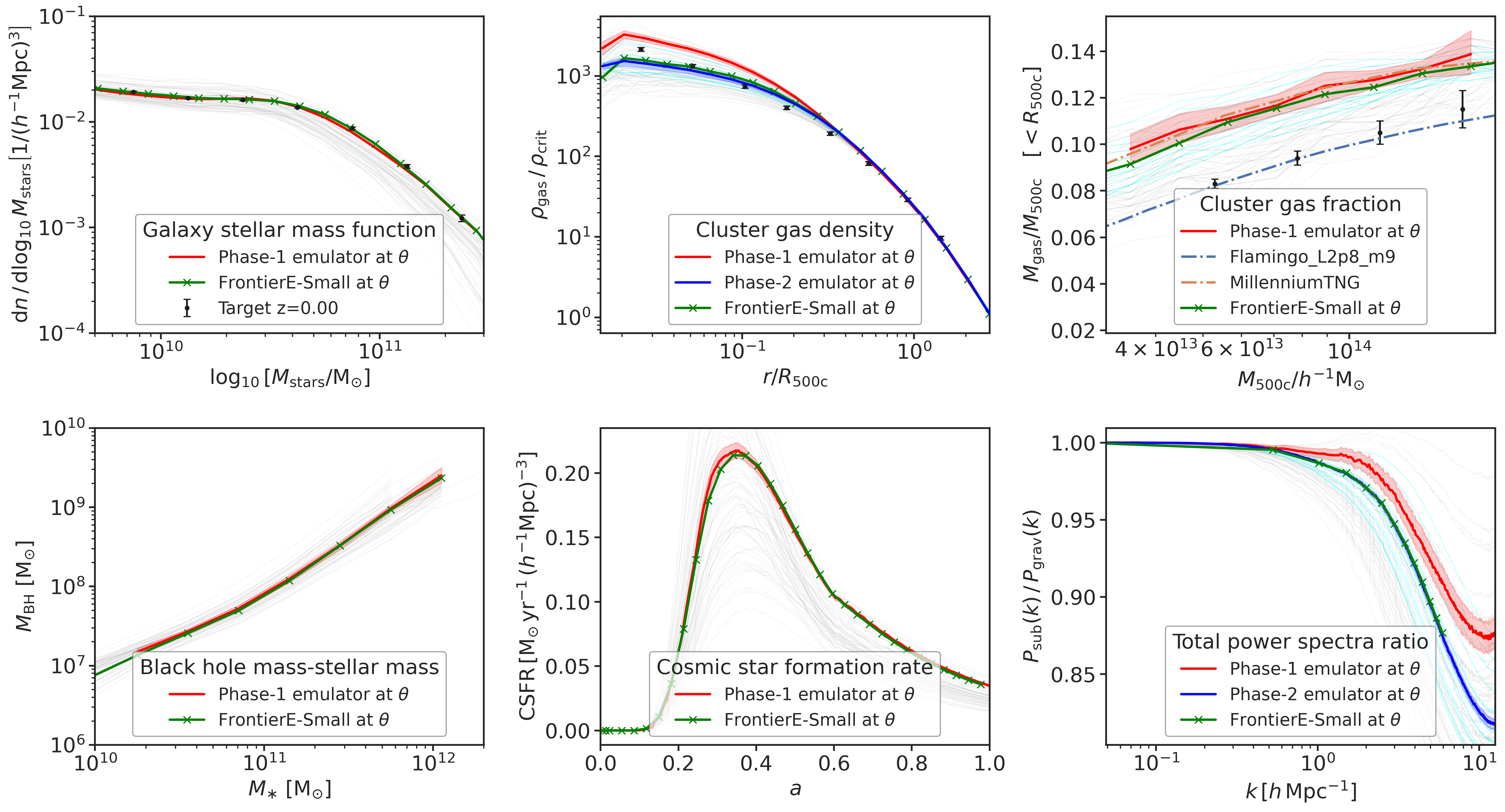
From: Emulator-Based Inference of Cosmological Subgrid Models
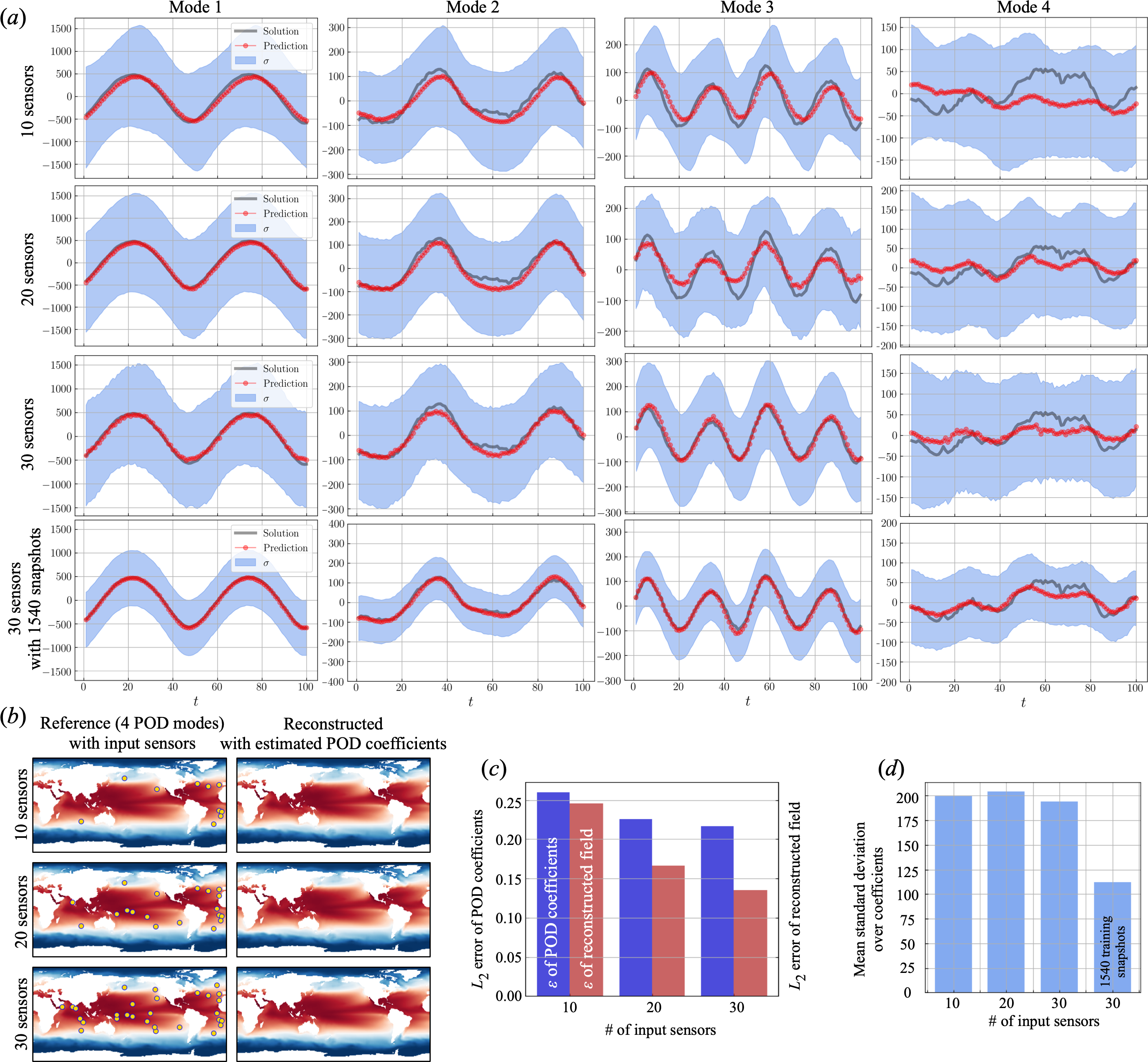
From: Probabilistic neural networks for fluid flow surrogate modeling and data recovery
6 Publications 6 Figures Available